Furniture & Bedding · Buying guide
Buying a Mattress Without the Showroom Games
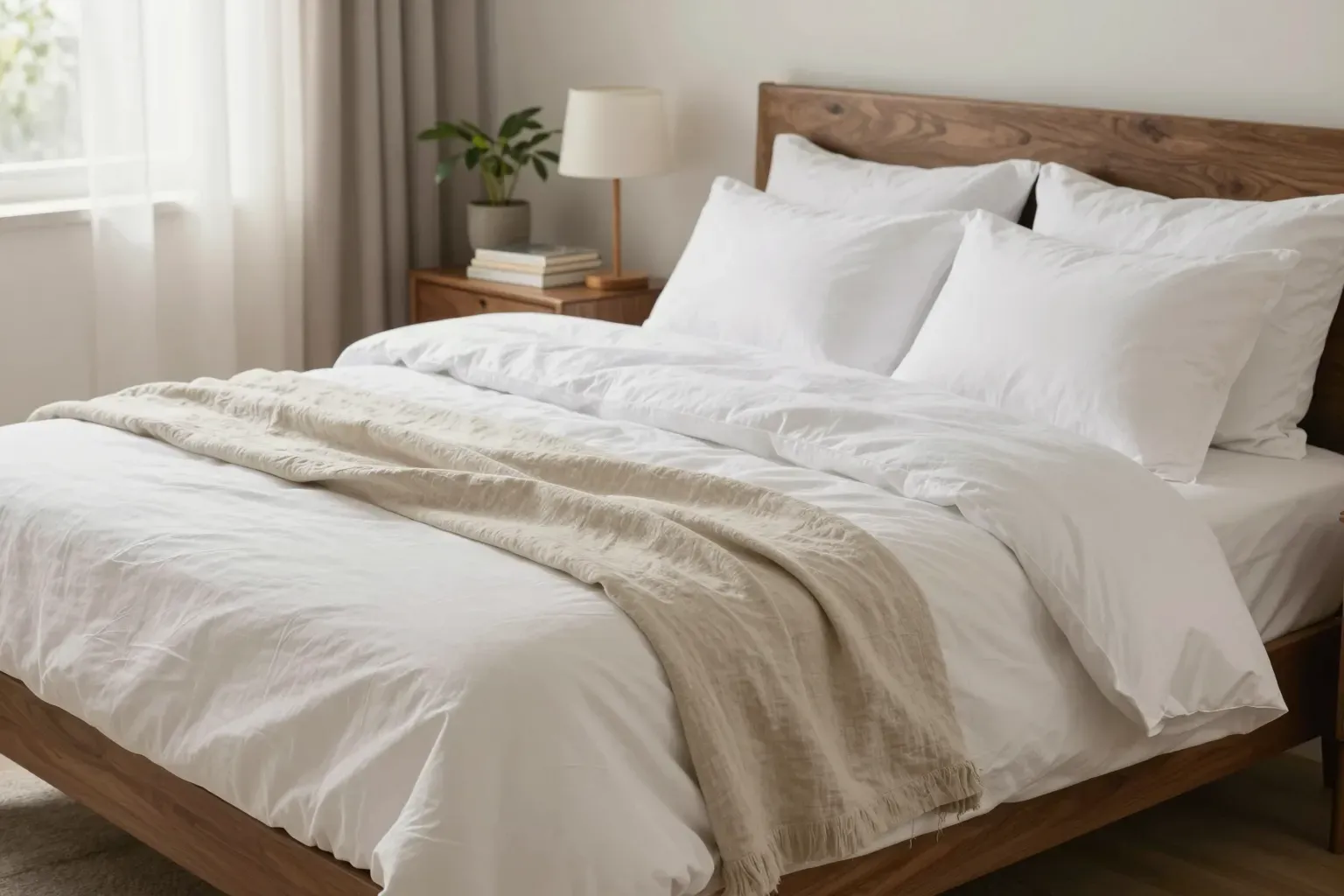
Mattress shopping is built to confuse you. Here's how to choose by how you sleep: what actually matters, and who each type is wrong for.
| Our pick | Best for | Wrong for | Why it makes the list |
|---|---|---|---|
| Foam / hybrid in a box (WRIGHT) | Most sleepers, and a generous home trial | — | The honest default now: shipped to your door with a long sleep trial, so the trial is the showroom. Wrong for someone who hates any sink-in feel. |
| Innerspring | People who want a firmer, bouncier, cooler feel | — | The classic. Sleeps cooler than dense foam and supports edge-to-edge, but transmits more motion across the bed. |
| Adjustable base pairing (Arrtle) | Reading, snoring, or aging joints | — | A base, not a mattress; pairs with a compatible bed to change the geometry. A real upgrade for some, an expensive gadget for others. |
Mattress shopping is designed to confuse you: the same bed wears four names across four stores, and the showroom test, lying down for ninety seconds in your coat, tells you almost nothing. The good news is that the thing that matters most is simple, and it’s about you, not the bed.
Our yardstick
The measure here is mostly you, not the bed: how a mattress suits the way you actually sleep (your position, your body) counts for more than anything on a spec sheet. After that, we looked at how cool each type sleeps and how generous the trial is, since a long home trial is the only honest test. Every type below comes with the sleeper it won’t suit.
Buy for your sleep position
Side sleepers generally want more give at the shoulder and hip, the body’s widest points, which need to sink in for the spine to stay straight. Put a side sleeper on a too-firm bed and you get the classic complaint within a few weeks: a sore shoulder and an aching hip, because the mattress pushes back instead of letting those points settle. Back and stomach sleepers want the opposite, firmer and more even support so the hips do not bow into the bed. If you change positions through the night, aim for the middle, a medium feel that gives a little without going soft. That one question, how you actually sleep, rules out more bad purchases than any number on a spec sheet.
The other tradeoffs are real but secondary. Dense foam cradles you and isolates motion well, so a restless partner barely registers, though it sleeps warmer. An innerspring breathes cooler and stays supportive edge to edge, but it passes more motion across the bed and feels bouncier. A quality bed-in-a-box queen commonly runs around $500 to $1,500, below a showroom markup and delivered to your door.
One upgrade sits outside the firmness question entirely: an adjustable base. It is not a mattress but a powered frame that a compatible mattress sits on, letting you raise your head or your feet. For some people, the ones who read in bed, snore, or have joints that protest lying flat, it is a real quality-of-life change; for others it is an expensive gadget that mostly stores the remote. Pair one only when a specific problem points you to it.
Make the trial do the work
The trial is where the real decision gets made, and most brands now offer a genuine one: trials commonly run 90 nights, and some stretch to a full year. The catch is that almost no one uses it properly. A new mattress feels wrong for the first week or two no matter how right it is, because your body is still adjusting, so the people who send a bed back on night three never gave it a chance. Sleep on it for a few weeks before you judge it, across a normal range of nights rather than the excited first one.
Two practical notes. A foam bed often arrives with a faint chemical smell; that is off-gassing, it is normal, and it clears in a day or three with the windows open. And think a decade ahead: a quality foam mattress lasts roughly eight to ten years and an innerspring about seven to ten, with denser foam holding up longer than the cheap, low-density kind. Plan for those years up front instead of chasing the cheapest box.
Ignore the label
Skip the firmness number on the label: one brand’s “medium” is another’s “firm,” and it’s measured against nothing. Trust the trial and your own back over the marketing scale.