Surfaces & Decor · Buying guide
Tile and Backsplash That Lasts: Where to Spend and Where to Skip
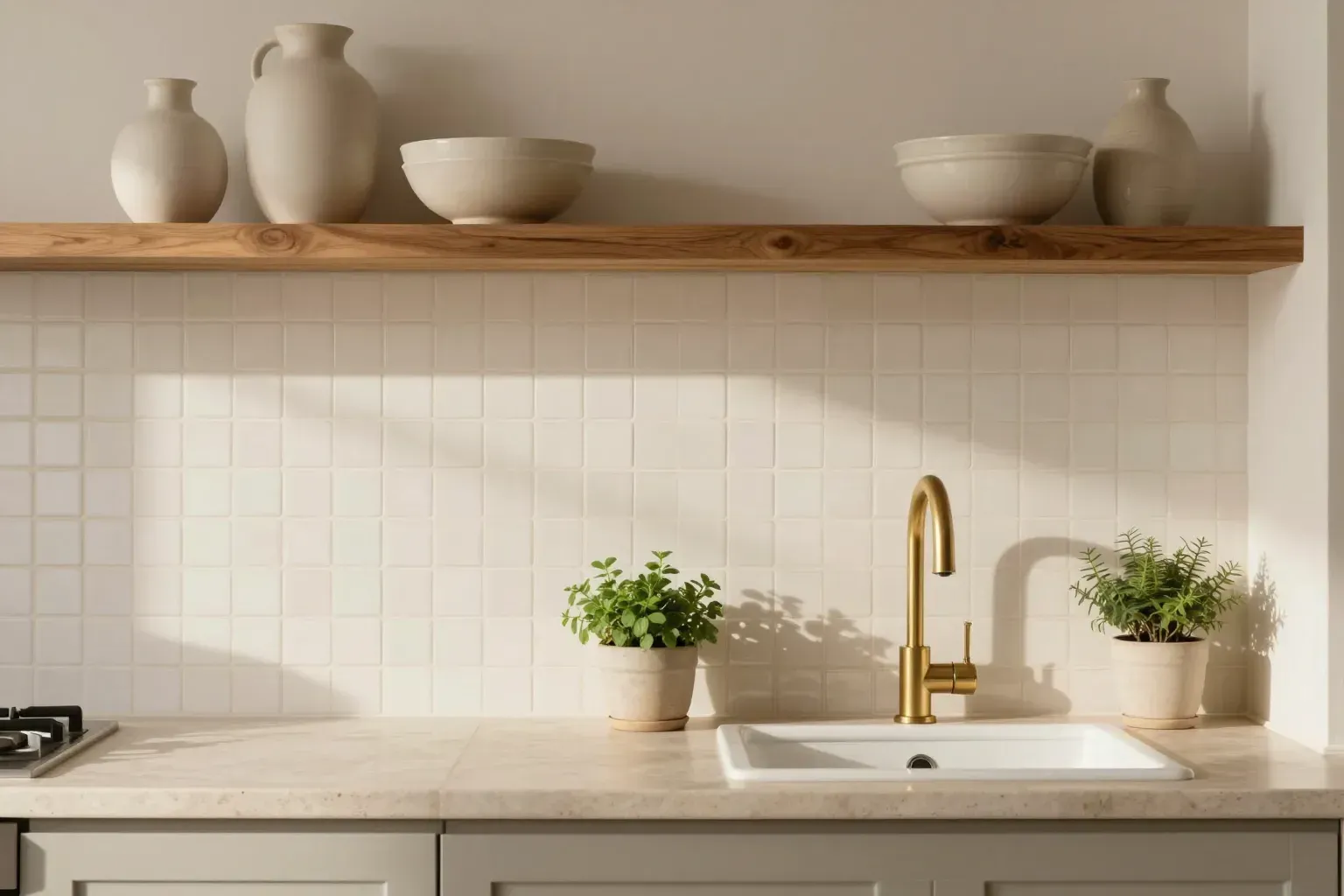
Tile is bought once and lived with for a decade. What porcelain, ceramic, stone, and mosaic each do well, where they belong, and who each is wrong for.
| Our pick | Best for | Wrong for | Why it makes the list |
|---|---|---|---|
| Porcelain & ceramic field tile (Stone Tile Depot) | Floors, showers, and any wet or high-traffic area you want to forget about | Someone after handmade, one-of-a-kind character: field tile is consistent by design. | The workhorse of any tile job: hard, water-resistant, and easy to clean. Porcelain is the denser, more durable cousin of ceramic and the safer pick for floors. This is where most of your square footage should go. |
| Mosaic & accent tile (Mozaico) | A backsplash, niche, or feature wall where you want artistry in a small area | Tiling a whole floor on a budget: mosaic and handmade work costs more per square foot and is slower to install. | Where tile stops being a surface and becomes the detail people notice. Right for the small, high-impact areas; expensive and over-the-top if you try to cover a whole room in it. |
| Natural stone (marble, travertine, slate) | A genuine high-end look in a low-traffic, low-spill spot | Busy kitchens and families who will not re-seal it: stone stains and etches if neglected. | Beautiful and unmistakably real, but it is a material with chores. If sealing on a schedule sounds like a burden, a good porcelain that mimics stone will make you happier. |
Tile is one of the few finishes you buy once and then live with for ten or fifteen years, which makes it the wrong place to chase a trend and the right place to think about wear. The trick isn’t finding the prettiest tile; it’s matching the material to where it’s going and how the room actually gets used.
What we weighed
Three questions sorted this guide: will the tile survive the water, traffic, and spills it will actually see; how much upkeep does it demand; and is it going on a large field or a small accent? The right tile for a shower floor is the wrong tile for a feature wall, and vice versa, so for each material we name the spot it belongs and the spot it doesn’t.
Start with porcelain for anything that gets wet or walked on
For floors, showers, and backsplashes that take splatter, porcelain is the default and usually the smart answer. It’s denser and less porous than standard ceramic, which is what makes it hold up to water and foot traffic without fuss. A field-tile specialist like Stone Tile Depot is the place to buy the bulk of a job, because square footage is where price and consistency matter most. Plain porcelain that does its job for a decade is not a compromise; it’s the foundation that lets you spend elsewhere.
Spend the design budget on a small area
The way to make tile feel custom without a custom budget is to keep the field simple and put the money into one small, visible area: a backsplash, a shower niche, a powder-room wall. That’s where mosaic and accent work from a maker like Mozaico earns its higher cost, because you’re paying for artistry on a few square feet instead of a few hundred. Reverse that ratio (ornate tile everywhere) and the room reads busy and the bill reads worse.
Be honest about natural stone’s chores
Marble and travertine are genuinely lovely and genuinely high-maintenance. They’re porous, so they stain and etch from anything acidic, and they need sealing on a schedule to stay that way. In a low-traffic powder room they can be a quiet luxury; in a family kitchen they’re a part-time job. If you love the look but not the upkeep, today’s stone-look porcelain gets remarkably close with none of the sealing.
Don’t forget the grout
The tile gets the attention, but grout decides how the finished wall ages. Lighter grout on a floor shows everything; a mid-tone hides life better. Sealed or epoxy grout resists staining in wet areas and is worth the small upcharge in a shower. It’s an unglamorous line item that quietly determines whether the job still looks clean in three years.
Where to start
Tile the field in durable porcelain, save the character for one small area, and treat natural stone as a low-traffic indulgence, not a default. Decide the grout with the same care as the tile, and you’ll have a surface that still looks deliberate long after the trend that inspired it has passed.