Furniture & Bedding · Buying guide
Bed Frames and Bedroom Furniture: What's Worth Buying Once
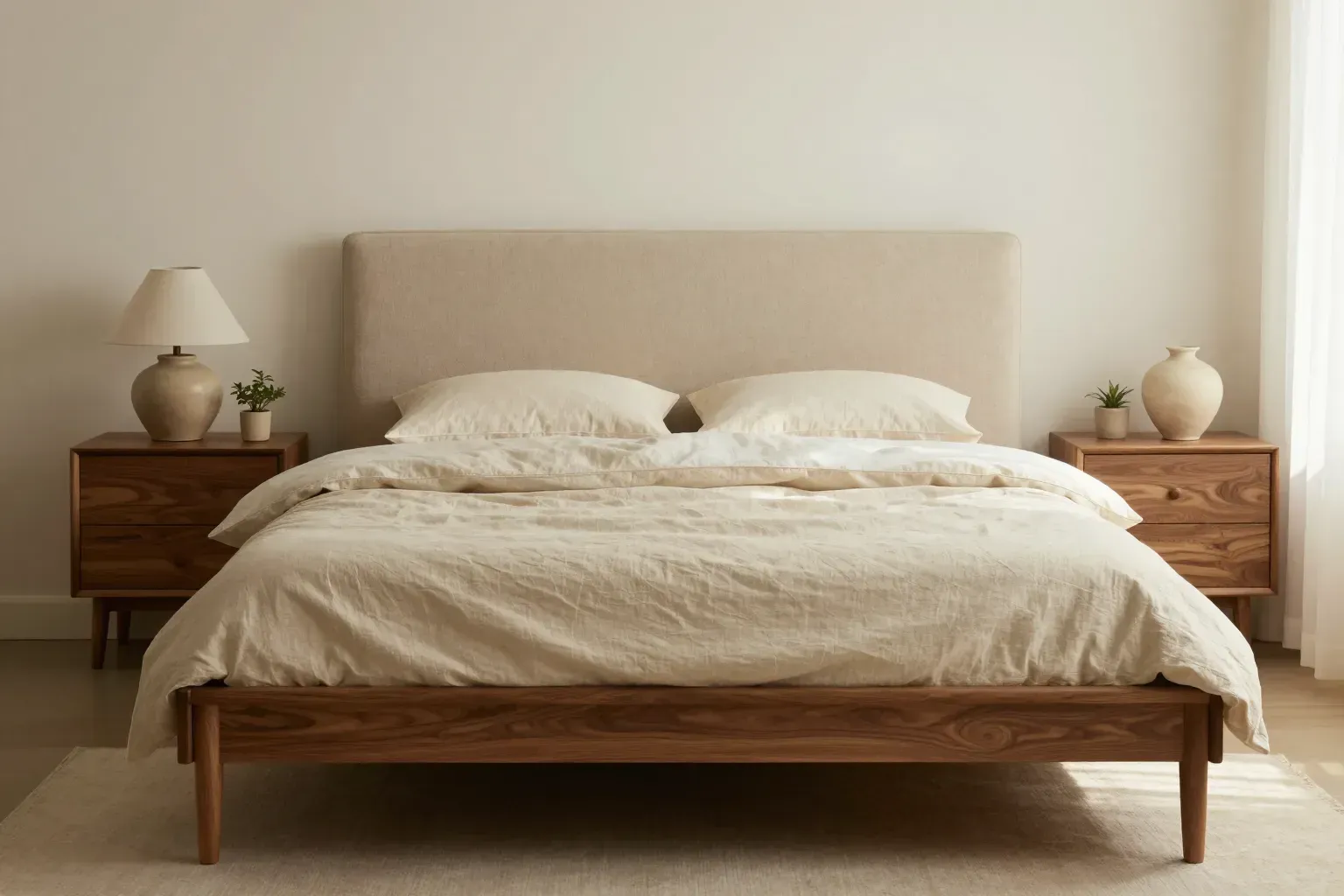
A good mattress deserves a frame that lasts as long. What solid wood buys you over engineered, the bed types worth it, and who each is wrong for.
| Our pick | Best for | Wrong for | Why it makes the list |
|---|---|---|---|
| Everyday bed frames & bedroom pieces (U-max) | Furnishing a room sensibly without paying heirloom prices | Someone wanting a single buy-it-for-life piece: this is the value tier, not the forever tier. | A broad, value-focused furniture range for getting a room furnished and functional. The right call for a guest room, a first apartment, or a kid moving to a real bed; honest about being practical rather than precious. |
| Nursery & kids' room furniture (Bellini) | Cribs and kids' furniture built to convert and survive years of hard use | Budget shoppers: this is a premium tier you buy when longevity matters more than price. | A specialist in higher-end nursery and children's furniture, including convertible cribs that grow into toddler and full beds. You pay for build quality and a piece that lasts through more than one stage. |
| Solid-wood dressers & nightstands | The pieces you open and close every day for a decade | A short-term setup or a room you'll redo soon: solid wood is worth it only if you'll keep it. | Storage furniture takes daily mechanical wear, so joinery matters more here than anywhere. Dovetailed drawers and solid wood outlast the stapled particleboard alternative by years. |
A good mattress on a bad frame is a half-finished bedroom. The frame and the case pieces around it are bought less often than almost anything else in the house, which makes the bedroom one of the best rooms to apply a simple rule: buy the things you touch daily once, and buy them well.
How we weighed it
We sorted bedroom furniture by how long you’ll keep it and how hard it works. A guest-room frame and a daily-driver dresser are different purchases, so for each pick we name who it suits and who should spend their money elsewhere. The honest truth is that not every piece needs to be heirloom-grade, but the ones that get used every day usually do.
Solid wood versus engineered: know what you’re buying
The biggest divide in furniture isn’t price, it’s what’s under the finish. Solid wood costs more and lasts decades; engineered wood (MDF, particleboard with a veneer) costs less and does fine for a few years before edges chip and screws loosen. Neither is wrong: a value range like U-max is exactly right for a guest room, a starter apartment, or a kid graduating to a real bed, where practical and affordable beats precious. Save the solid-wood spend for the pieces that have to endure.
The frame type follows the room, not the catalog
Platform beds need no box spring and suit most modern mattresses; storage beds buy you drawers in a small room at the cost of weight and price; upholstered frames look soft and warm but the fabric is one more thing to keep clean. Match the type to the room’s real constraint (square footage, storage, or looks) rather than to whichever one photographed best.
Where longevity actually pays
Two places reward buying up. The first is children’s furniture: a convertible crib from a maker like Bellini that becomes a toddler then a full bed earns its premium across years of hard, daily use. The second is storage furniture (dressers and nightstands), where dovetailed drawers and solid construction outlast stapled particleboard by a wide margin, because the mechanical wear of opening and closing never stops.
Where to start
Buy the daily-use pieces (the bed you sleep in, the dresser you open every morning) well enough to keep, and let the secondary pieces be practical. If the mattress on top isn’t sorted yet, our mattress guide covers choosing one by how you actually sleep.