Bathroom · Buying guide
Bidets, Seats, and Smart Toilets: How Far Up the Ladder You Need to Go
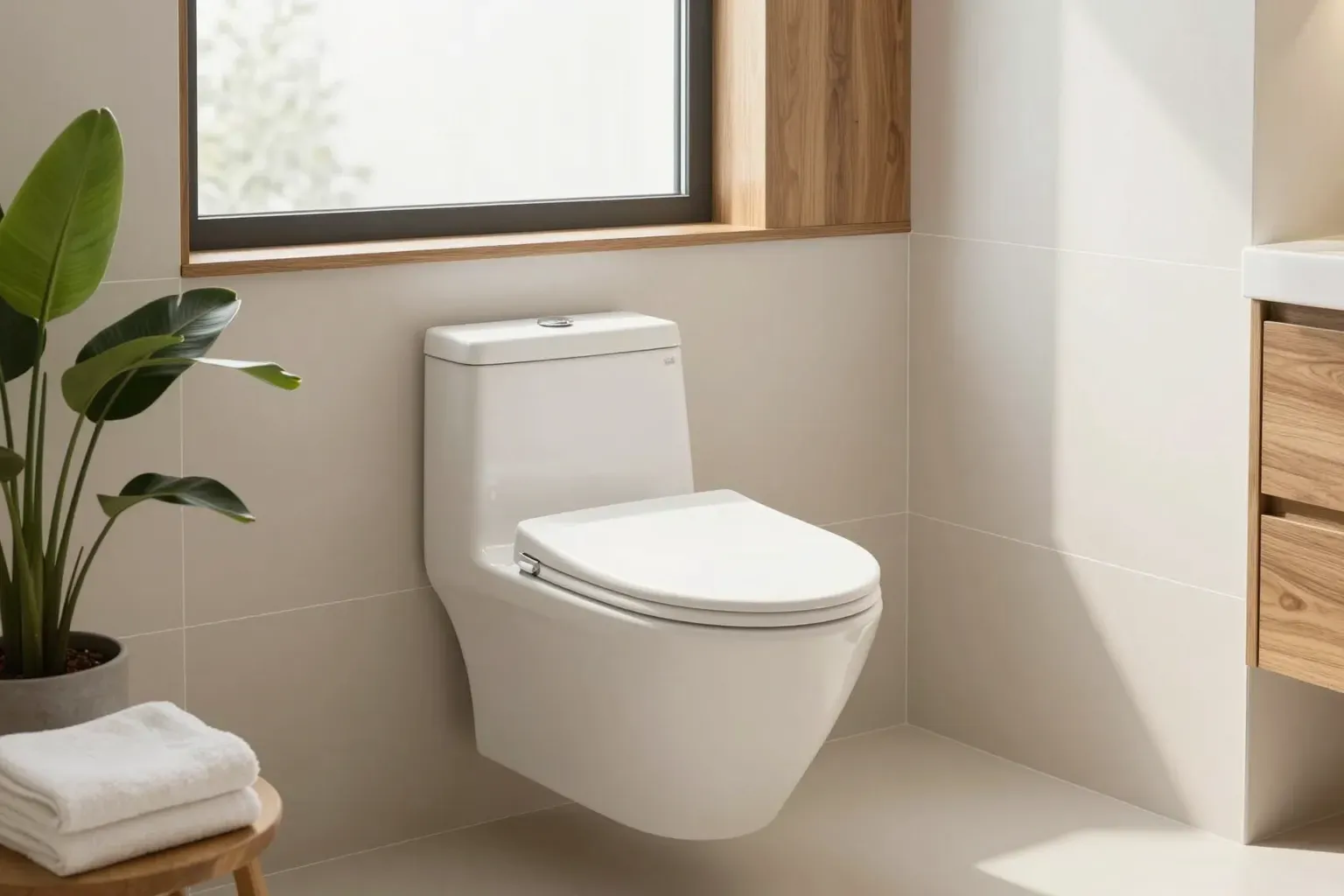
The bidet world runs from a $30 attachment to a $9,000 smart toilet. Here's each rung, what it actually buys, and the one most people should stop at.
| Our pick | Best for | Wrong for | Why it makes the list |
|---|---|---|---|
| Non-electric bidet attachment (Many Bidets) | Trying bidet living cheaply, or a toilet with no outlet nearby | Anyone who wants warm water and a heated seat; the stream here is room-temperature and firmer. | Installs under your existing seat in about fifteen minutes, no electrician. The honest entry point: low cost, low commitment, surprising number of converts. |
| Electric bidet seat (Many Bidets) | Most people: warm water, heated seat, adjustable everything | A bathroom with no outlet you're able to add, or a renter who can't run one. | The comfort tier and the right answer for roughly four buyers in five. Replaces your seat, not your toilet, and does the whole job. |
| Tankless electric seat (Many Bidets) | A busy bathroom where the seat gets back-to-back use | A single user on a budget: a reservoir model is cheaper and plenty. | Heats water on demand, so it never runs cold mid-wash. Slimmer and more efficient than a tank model, at a higher price. |
| Integrated smart toilet | A full primary-bath remodel where the toilet is being replaced anyway | Almost everyone making a single upgrade: a $200–600 seat delivers nearly all of the same daily comfort. | The whole bidet built into the toilet, from $3,000 up past $9,000. A remodel decision, not a bidet decision. We don't sell these; we're telling you where the ladder ends. |
A bidet is one of those upgrades people resist right up until they have one. So the hard part usually isn’t deciding whether to get one; it’s not overspending, because the same basic idea is sold at every price from thirty dollars to the cost of a used car. The trick is knowing which rung of the ladder actually fits your bathroom.
How we judged each rung
We lined the options up cheapest-first, on purpose, so the price ladder talks you out of overbuying instead of into it. For each rung we say what it buys, what it runs (in rounded numbers), and who should skip it. We did the homework on installation and features; where a number comes from a manufacturer rather than independent testing, we’ll mark it as theirs.
The cheapest rung: a non-electric attachment
A bidet attachment runs about $30 to $120 and installs in roughly fifteen minutes with nothing fancier than a wrench; it slips between your existing seat and the bowl and taps the toilet’s water supply through a T-valve, nearly invisible once it’s on. No outlet, no electrician. The catch is comfort: the water is whatever temperature your supply line is, and the stream is firmer than the warm, adjustable spray of the electric tier. Who it’s wrong for: anyone who already knows they want warmth and a heated seat. For them the attachment is a detour, not a destination.
The rung most people should stop at: an electric seat
An electric bidet seat is where the experience gets good: warm water, a heated seat, adjustable pressure and temperature, usually a warm-air dryer. It replaces your toilet seat rather than your toilet, and by broad retailer consensus it’s the right answer for something like four buyers in five. There’s one decision inside it: tankless seats heat water on demand for an unlimited warm stream and tend to be slimmer and more efficient, while reservoir seats are cheaper but give you only thirty to sixty seconds of warm water before the tank reheats. Start with a reservoir model unless your bathroom sees back-to-back use. Who it’s wrong for: a bathroom with no outlet you can add, or a renter who can’t run one, which is the whole reason the next section exists.
The install reality (read this before you buy the fancy one)
The thing that quietly decides attachment-versus-electric for a lot of bathrooms is the outlet. An electric seat needs a grounded, GFCI-protected three-prong outlet: code for any new bathroom receptacle, and strongly recommended even in an older bath that predates the rule. The cords run about four feet and usually exit the right side of the seat as you face the toilet, so the outlet wants to live on the wall behind it. You don’t generally need a dedicated circuit, but on older wiring a tankless seat sharing a circuit can make the lights flicker mid-wash. None of this is hard; it’s just worth knowing before you fall for a seat your bathroom can’t power.
The top of the ladder: an integrated smart toilet
At the far end, an integrated smart toilet builds the whole bidet into the fixture: auto lid, auto flush, nightlight, the works. It’s also a different category of money: TOTO’s Neorest line starts around $5,000, and Kohler’s Veil runs roughly $9,000 to $12,000 (their figures). These are genuinely nice, and for someone gutting a primary bath in 2026 they’re a daily pleasure. But who they’re wrong for is almost everyone making a single change: a $200-to-$600 electric seat on the toilet you already own delivers nearly all of the same everyday comfort. Treat the integrated toilet as a remodel decision, not a bidet decision.
Where to shop the seats
For the two rungs that matter to most people, attachments and electric seats, a multi-brand retailer like Many Bidets lets you compare across makers (Bio Bidet, Brondell, TOTO and others) and match the rung to your bathroom rather than to one company’s lineup. That cross-brand view is the point: it’s how you tell a feature you’ll use from a feature that’s just on the box.
Get off the ladder early
For most people the win is an electric seat on the toilet they already own, with an attachment as the no-regret way to test the idea first and the integrated toilet reserved for an actual remodel. Buy the rung that fits your outlet and your budget, not the one at the top of the page. And if this is really about helping someone stay independent and private in the bathroom, that’s a different lens than features and price; our age-in-place bathroom guide weighs the same bidet question for dignity and daily use instead.