Bathroom
How to Plan a Bathroom Refresh Without a Full Remodel
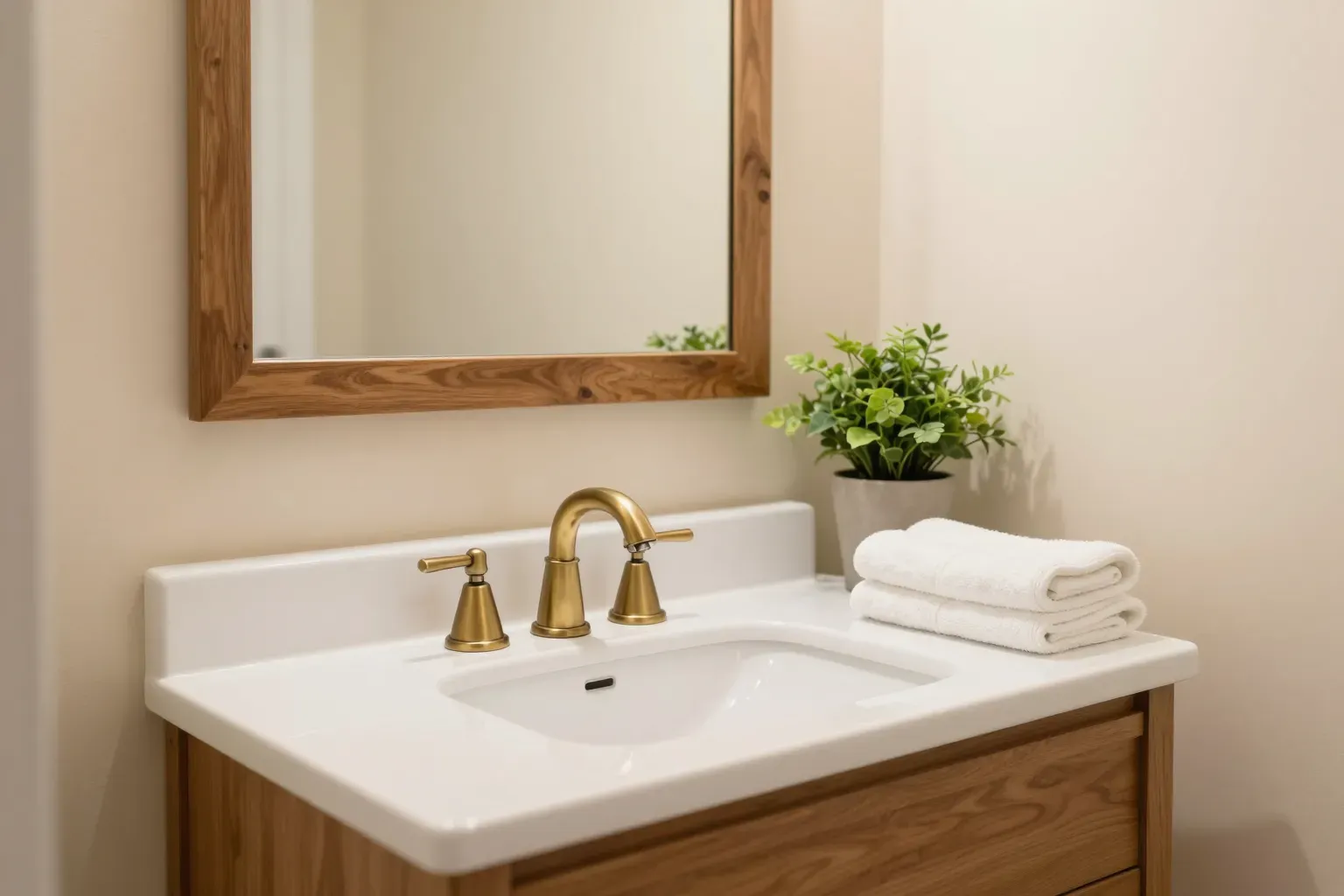
A full bathroom remodel means permits, plumbing, and a contractor’s calendar. A refresh doesn’t. Most of what makes a bathroom feel dated lives at the surface (the mirror, the light, the fixtures you touch every day), and those are the parts you can change in a weekend. So before you price out a remodel, it’s worth asking whether you actually need one.
Here’s how we’d spend a refresh budget, in order of how much each change pays back.
Start with the three things you touch most
The faucet, the showerhead, and the vanity hardware get used every single day, which is exactly why upgrading them is felt out of all proportion to their cost. Swapping a tired chrome faucet for a well-made fixture is the single highest-return change most people can make, and it’s a job most people can do themselves with a wrench and an afternoon.
The honest caveat: count your sink’s holes and measure between them, center to center, before you buy. Three holes about four inches apart means a centerset faucet; holes spread wider (usually eight inches) mean a widespread. Buy the wrong family and the easy afternoon becomes a countertop project. It’s the single most common way this upgrade goes sideways.
Light is the cheapest luxury
A warmer bulb temperature and a properly lit mirror do more for a small bathroom than new tile ever will. Even, flattering light makes the whole room read as cared-for, and it’s a genuinely cheap change. If you upgrade one thing for looks, make it the light.
Paint and a mirror, not tile
Tile is where refresh budgets quietly turn into remodel budgets. If the tile is sound, leave it. A coat of moisture-rated paint and a better vanity and lit mirror reset a room’s whole feel for a fraction of what re-tiling costs, and neither one needs a contractor. Save the tile decision for a real remodel, if you ever do one.
What to leave alone
If the layout works, leave the layout alone. Moving a drain or a stud wall is where bathroom budgets go to die. Spend the money on the things you see and touch every day instead, and put the rest back in your pocket.
If your refresh is really about helping someone stay independent in the room, that’s a related-but-different project; we cover it in our guide to age-in-place bathroom upgrades, which is about dignity and daily use rather than just looks.